Optimal Timing for Concrete Leveling
Concrete levelings are most effective when performed during specific weather conditions that allow for proper curing and adhesion. The optimal time generally falls during mild temperatures with low humidity, avoiding extreme cold or heat which can affect the setting process.
Spring and fall are typically the best seasons due to moderate temperatures and lower chances of rain, ensuring proper curing and adhesion.
Performing levelings when temperatures are between 50°F and 85°F helps achieve optimal results, as extreme cold can hinder curing and heat can cause rapid drying.
Avoid levelings during rainy or freezing conditions, as moisture and low temperatures can compromise the integrity of the work.
Scheduling during dry, mild weather ensures the materials set properly and reduces the risk of future settling or cracking.
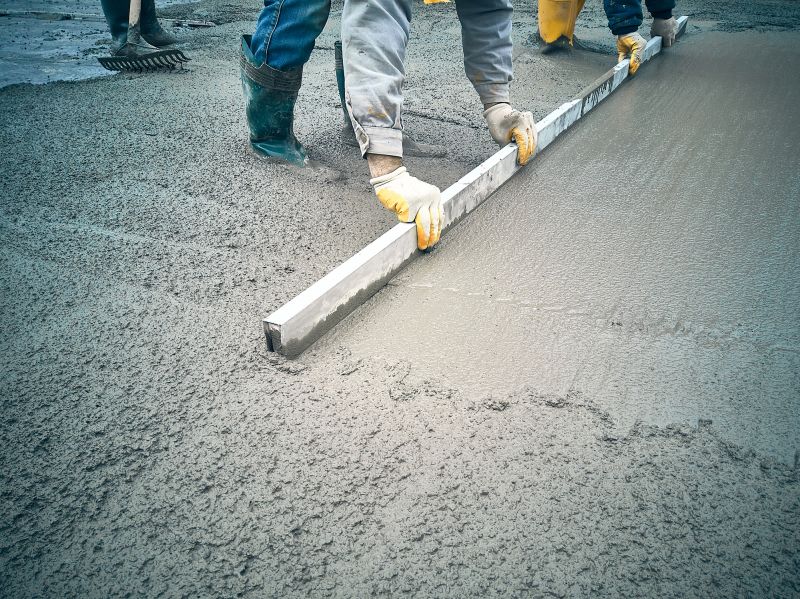
Spring offers moderate temperatures ideal for effective concrete leveling projects.

Fall provides cooler, dry conditions suitable for long-lasting results.

Dry and mild weather ensures optimal curing and adhesion during concrete leveling.
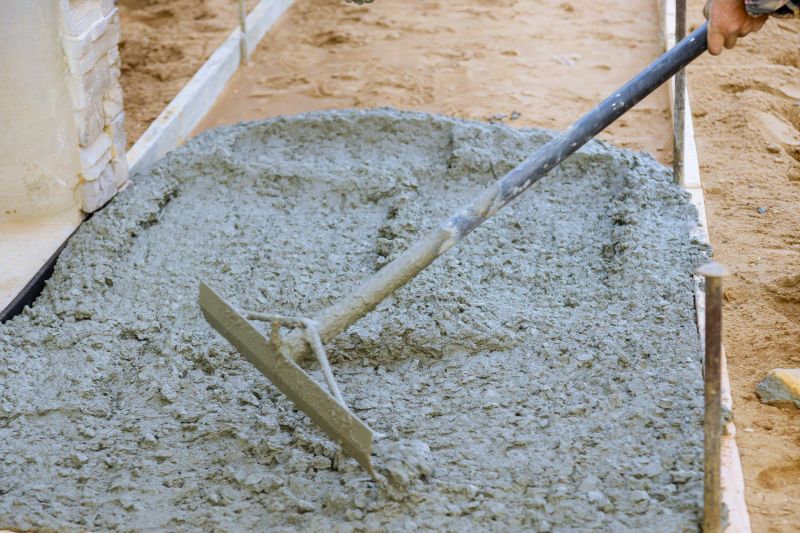
Ways to make Concrete Levelings work in tight or awkward layouts.
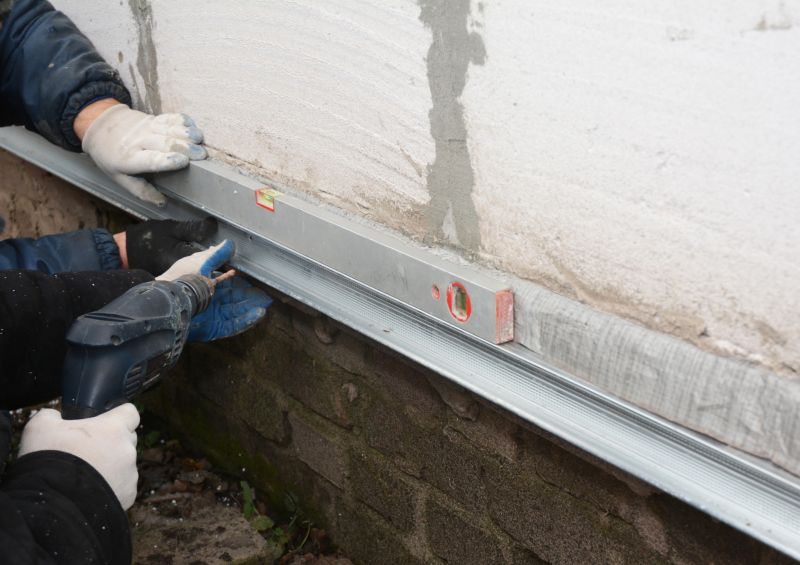
Popular materials for Concrete Levelings and why they hold up over time.
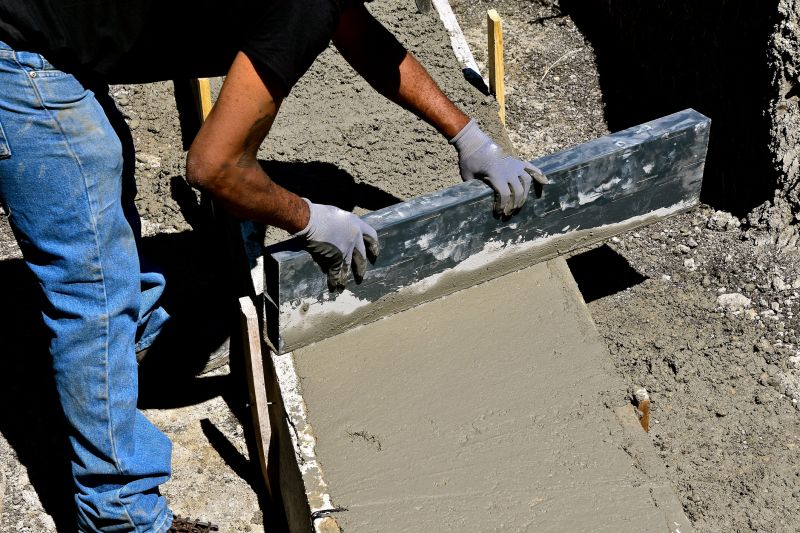
Simple add-ons that improve Concrete Levelings without blowing the budget.
| Season | Temperature Range |
|---|---|
| Spring | 50°F to 75°F |
| Summer | 70°F to 85°F |
| Fall | 50°F to 75°F |
| Winter | Below 50°F (not recommended) |
Concrete levelings are a practical solution for correcting uneven surfaces, preventing trip hazards, and maintaining the structural integrity of paved areas. Proper timing ensures the longevity of the work, reducing the need for frequent repairs. The process involves raising or leveling existing concrete slabs by injecting a specialized material beneath the surface, which then cures and stabilizes the slab in its new position. This method is cost-effective and less invasive than replacing entire sections of concrete.
Statistics indicate that scheduling concrete levelings during optimal weather conditions can extend the lifespan of the repair by several years. Proper timing minimizes the risk of future settling, cracking, or shifting, which are common issues when work is performed under unsuitable weather conditions. Planning ahead and choosing the right season can lead to more durable and aesthetically pleasing results.
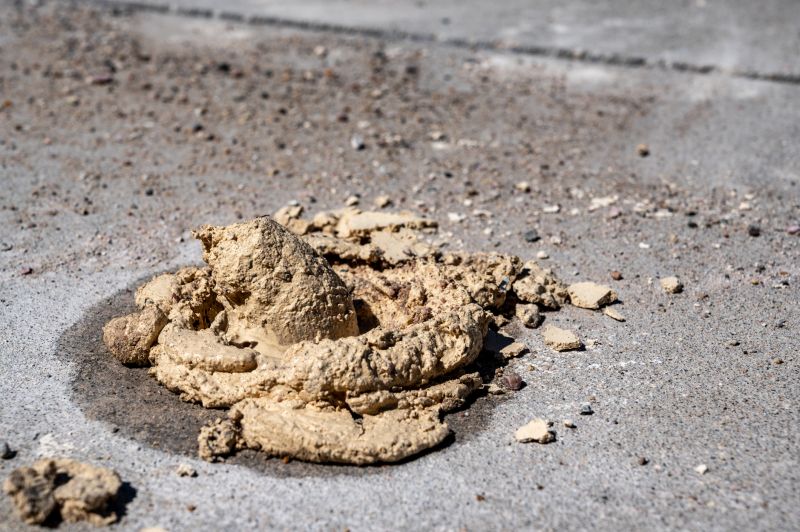
Injection of leveling compound to restore even surfaces.

Transforming uneven slabs into smooth, level surfaces.

Specialized equipment ensures precise and effective results.
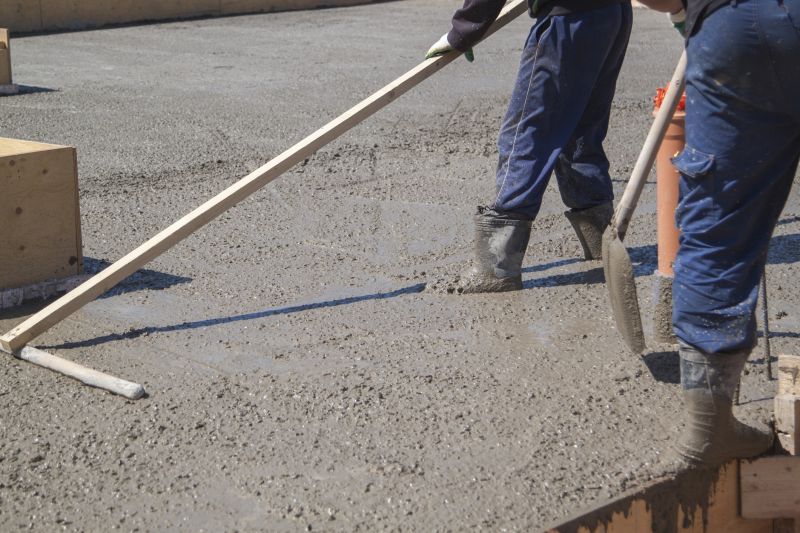
A smooth, stable surface ready for use.
Interested in concrete levelings for property improvements? Filling out the contact form provides an opportunity to discuss timing options and scheduling tailored to specific project needs. Proper planning ensures the best results and long-lasting performance of the concrete surfaces.