
Ultimate Guide to Top Concrete Leveling Equipment and Supplies
Learn about the most effective tools and materials to elevate your concrete leveling projects with ease and accuracy.
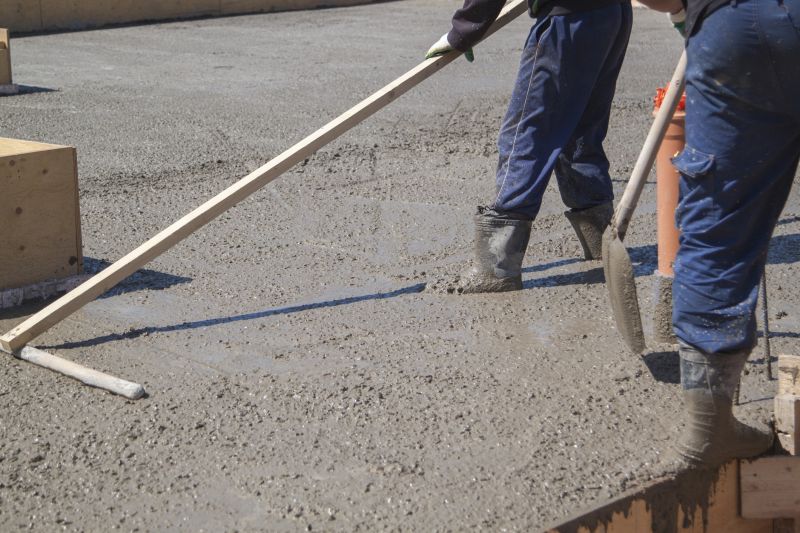 Concrete leveling products are essential tools for addressing uneven or sunken slabs in residential and commercial properties. These products are designed to restore a smooth, level surface to concrete surfaces, which can become uneven over time due to ground shifts, settling, or poor initial installation. The variety of products available caters to different types of projects, from small residential repairs to larger commercial applications. Proper selection and application of these products can help improve safety, functionality, and aesthetics of concrete surfaces.
Top Overall Option
Polyurethane Concrete Leveling Foam
Polyurethane foam is a versatile and widely used concrete leveling material known for its quick application and minimal disturbance to existing structures. It expands to fill voids beneath slabs, providing support and stabilization without the need for extensive excavation. Its lightweight nature allows it to be injected through small access points, making it suitable for various repair scenarios. This type of product offers a clean and efficient solution for leveling uneven concrete surfaces with minimal downtime.
Types of Products For Concrete Levelings
Polyurethane Foam
A lightweight, expanding foam injected beneath slabs to lift and stabilize uneven concrete surfaces.
Mudjacking Slurry
A slurry mixture of cement, sand, and other materials used to fill voids and level concrete.
Self-Leveling Underlayment
A pourable material designed to create a smooth, level surface on existing concrete floors.
Rapid-Set Cement
Fast-curing cement-based products suitable for quick repairs and leveling tasks.
Polymer-Modified Mortar
A durable mortar mix enhanced with polymers for improved adhesion and flexibility.
Epoxy Injection Systems
Specialized epoxy resins used for crack repair and structural stabilization.
Hydraulic Cement
A versatile cement that expands as it sets, useful for sealing cracks and filling small voids.
Resin-Based Fillers
Resin formulations designed to bond with existing concrete and fill cracks or voids.
Polyurea Coatings
Fast-curing coatings that can also help in leveling and protecting concrete surfaces.
Injection Grout
A high-density grout used for stabilizing and lifting sunken slabs.
Concrete Patches
Pre-mixed patching compounds for minor surface repairs and leveling.
Underlayment Toppings
Layered materials applied over existing slabs to create a smooth, level surface.
Popular Choices
Widely used for quick, minimally invasive concrete lifting and stabilization.
Commonly employed for larger repairs involving slurry injection beneath slabs.
Popular for creating flat, smooth surfaces on interior concrete floors.
Favored for fast repairs and small-scale leveling tasks.
Effective for sealing cracks and preventing further deterioration.
Used for surface protection and minor leveling enhancements.
Preferred for structural stabilization and lifting of sunken slabs.
Popular for small surface repairs and minor level adjustments.
Commonly selected for sealing cracks and small voids quickly.
Chosen for creating smooth, level floors in renovation projects.
Often used for structural repairs and crack stabilization.
Valued for their strong bonding properties and versatility.
Preferred for flexible, durable repairs in high-traffic areas.
Typically, concrete leveling products include materials that can be poured, pumped, or injected beneath the slab to raise and stabilize it. These products are formulated to bond well with existing concrete, providing a durable and stable solution. Many of these products are designed for easy handling and quick curing times, making them suitable for DIY projects as well as professional use. It is important to consider the specific requirements of your project, such as the size of the area, the severity of the unevenness, and the environmental conditions.
When choosing a concrete leveling product, factors such as load-bearing capacity, ease of application, and compatibility with existing surfaces should be considered. Some products are better suited for small cracks and minor unevenness, while others are designed for larger, more severe issues. Proper surface preparation and application techniques are crucial to achieving the desired results. Consulting with professionals or thoroughly researching product specifications can help ensure the selected product meets your project needs.
Overall, investing in quality concrete leveling products can extend the life of your concrete surfaces and prevent further damage. Whether you are undertaking a small repair or a large-scale project, understanding the different types and features of these products will help you make informed decisions. This guide aims to provide comprehensive information on the various options available, helping residents and contractors in Venice, FL, find suitable solutions for their concrete leveling needs.
Key Buying Considerations
- Determine the extent of unevenness or sinking to select an appropriate product type.
- Consider the size of the area needing repair for choosing the right quantity and application method.
- Evaluate the load-bearing requirements and whether the product can support future use or traffic.
- Check the curing time to plan your repair schedule accordingly.
- Assess the environmental conditions, such as moisture levels, which may influence product choice.
- Review compatibility with existing concrete surfaces to ensure proper adhesion.
- Look into the ease of application, especially if considering a DIY project.
- Consider whether the product is suitable for interior, exterior, or both types of surfaces.
- Examine the product's resistance to freeze-thaw cycles if used outdoors in colder climates.
- Research the product’s expansion and bonding properties to prevent future cracking or shifting.
- Review safety data and handling instructions to ensure proper use and protection.
- Verify if the product requires professional installation or if it can be safely applied by homeowners.
- Check for any special preparation or surface cleaning requirements before application.
- Consider the long-term durability and whether additional maintenance might be needed.
- Compare costs relative to the project scope, balancing quality with budget constraints.
This content may contain affiliate links. We may earn a commission for purchases made through these links, which helps support our work and provides you with valuable information.